Why Podcasters Need Offline AI Subtitles for Sensitive Interviews
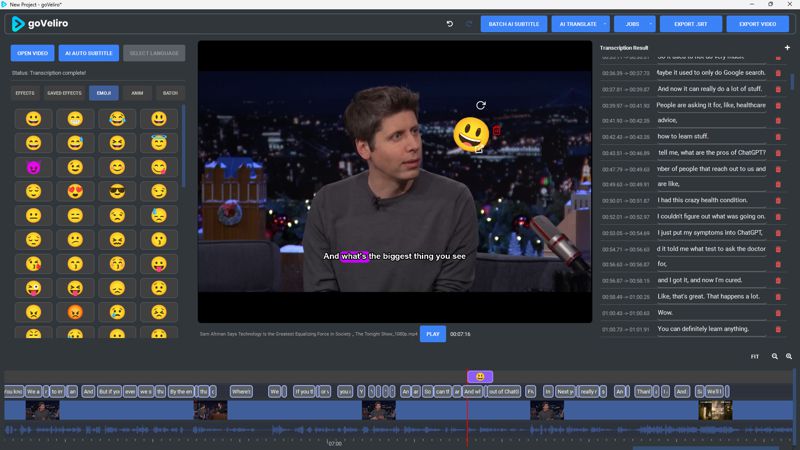
Not every podcast episode is just casual conversation. Interviews can include confidential business information, unreleased products, personal stories, private discussions, or information that should not be shared before publication.
This makes privacy an important consideration when choosing a subtitle workflow.
Many online caption platforms require the entire video to be uploaded before transcription can begin. For sensitive interviews, some creators may prefer not to send the original recording to an external service at all.
This is where privacy-first video tools can make sense. A local application can process the audio and video directly on the user's own computer without requiring the original footage to be transferred to a third-party platform.
With no cloud upload subtitles, the podcast video remains on your machine while the AI creates the captions. This can be particularly useful for agencies and professional podcast producers who are handling somebody else's footage.
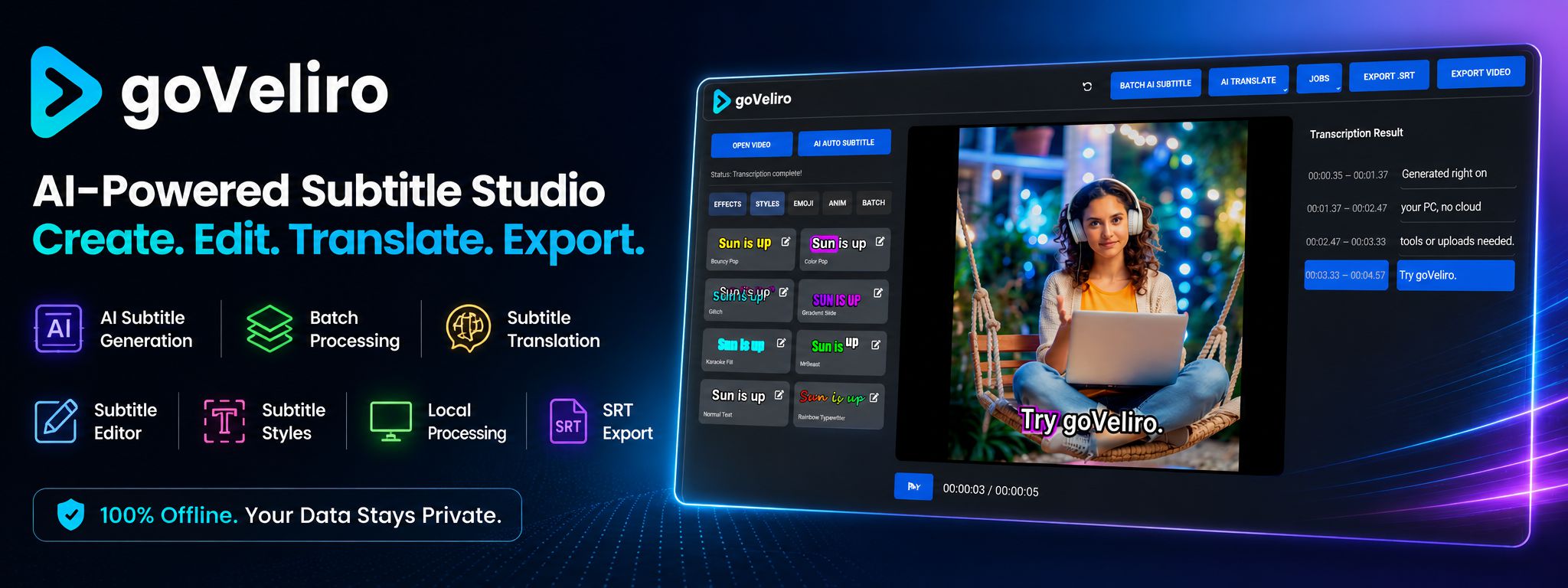
Local processing can also make the workflow easier to control. With secure AI subtitle audio workflows, you can keep the original recording, generated subtitles, and edited versions inside your existing project folders instead of moving them between different online services.
An offline AI subtitler can therefore be useful even when privacy isn't your only concern. Large podcast videos can take a long time to upload, especially when recordings are several gigabytes in size. Local processing removes that upload step entirely.
The goal isn't to suggest that every online service is unsafe. Cloud platforms can be convenient and appropriate for many users. The important point is that podcasters should have a choice.
For sensitive interviews, keeping transcription local provides an additional level of control over where the original recordings go and how they are processed.