How to Translate Subtitles into 13 Languages with AI
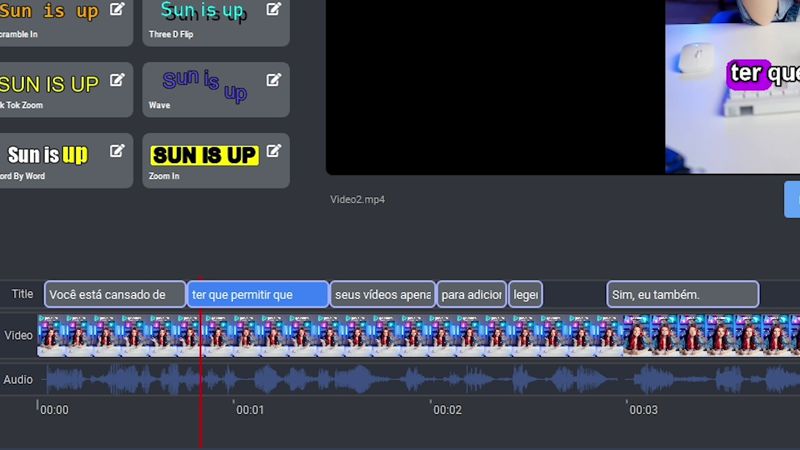
Creating subtitles in one language is already useful, but translating them can open up an entirely new audience. A video that was originally made for English-speaking viewers, for example, can become accessible to people in many other countries without having to record a completely new version.
The difficult part is usually the translation itself. Long videos can contain thousands of words, and translating every subtitle line manually is slow and repetitive. Even when the original subtitles are already available as an SRT file, going through the entire file line by line can take hours.
AI subtitle translation provides a much faster alternative.
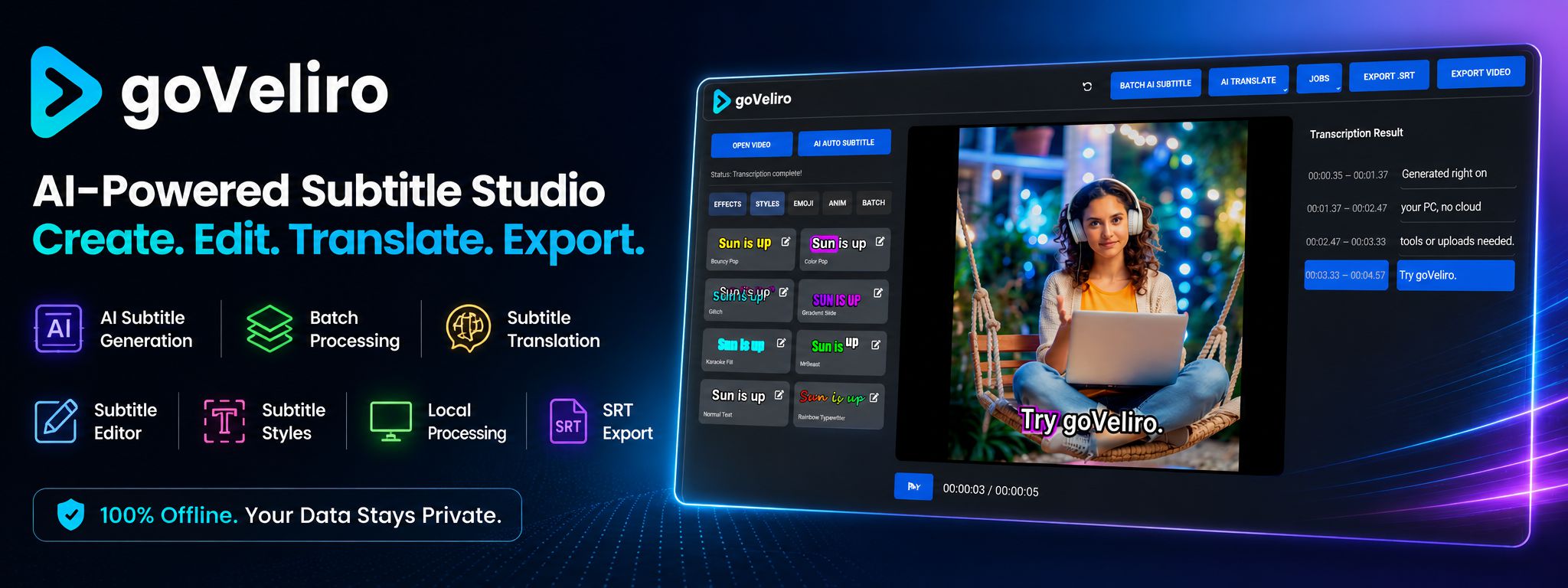
With goVeliro Studio Subtitler, subtitles can currently be translated with AI into 13 different languages. Instead of manually translating every subtitle, you can use the existing captions as the starting point and let AI create the translated version.
This can be particularly useful for YouTube creators, podcasters, educators, and businesses that want to reach viewers in other countries. One video can effectively become several language versions without changing the original video production.
The workflow is also straightforward. Start with your existing subtitles, select the target language, and let the AI handle the translation. The resulting subtitles can then be reviewed and corrected before being exported.
AI translation is not perfect, of course. Names, technical terms, jokes, and expressions can sometimes require adjustments. That's why having the ability to review the translated subtitles is important. AI handles the repetitive first pass, while you remain in control of the final result.
Translation can also be useful for older content. If you already have a large library of videos, you don't need to create new recordings to make them accessible to international viewers. Your existing subtitles can become the starting point for new language versions.
For creators who regularly publish content, AI subtitle translation can therefore be a simple way to expand the reach of existing videos without adding a huge amount of manual work.